Traditional beliefs: Objects you should never place in front of a mirror
Folklore has long attributed mystical properties to mirrors, believing they reflect and multiply household energy. Let's explore how traditional superstitions align with modern practical home organization.
 👥Society
Photo: TSN
Key points
- Mirrors were traditionally believed to reflect and amplify the energy within a household.
- Placing trash or laundry baskets opposite mirrors was culturally linked to multiplying domestic troubles.
- Folk traditions advised against keeping empty wallets or sharp objects in plain view of mirror surfaces.
- Placing a mirror directly opposite a bed is discouraged mostly due to potential sleep disturbances from light reflections.
Mirrors have historically held a special place in traditional culture and daily life. According to folk beliefs, a mirror was never viewed merely as a household item, but rather as an object capable of reflecting and multiplying the energy of a home. Consequently, great attention was paid to where mirrors were placed, as certain items positioned directly opposite were believed to attract arguments, anxiety, and financial difficulties.
Household traditions: Why clutter and empty wallets were avoided
Among common superstitions, items associated with untidiness took a prominent spot. For instance, leaving a trash can or a basket of dirty laundry directly in front of a mirror was considered a bad omen, symbolizing the multiplication of troubles. From a strictly practical perspective, keeping such utility baskets organized and out of direct sight helps maintain proper hygiene and interior aesthetics.
nSpecial attention was also given to financial symbols, such as wallets. Folklore advised against leaving an empty wallet opposite a mirror in the hallway, linking it to financial scarcity. While actual material well-being depends on personal income and financial decisions rather than mirror placement, keeping belongings orderly contributes to a sense of household stability.
Sharp objects and sleeping areas
Another category of items people tried to keep away from mirrors consisted of sharp tools, such as knives and scissors. In traditional views, they were associated with potential conflicts and harsh words, and their reflection was thought to intensify domestic tension. In everyday life, such items should simply be stored safely to prevent accidental injuries.
Furthermore, many traditions discouraged placing mirrors directly opposite a bed. This was often linked to nighttime anxiety and restlessness. A more straightforward practical reason is that accidental light reflections or movement in a mirror at night can easily distract a person and interfere with falling asleep.
Source TSN — tsn.ua/other/shcho-ne-mozna-stavyty-pered-dzerkalom-bo-v-domi-budut-sva… ↗
Read next
 🧠AI Analysis
Path to the EU: Why Ukrainian Reforms Often Remain on Paper
The European Commission's latest report highlights a persistent gap between adopting European integration laws and their practical implementation.
 🧠AI Analysis
How to Protect Winter Onions and Garlic: Agronomists' Recommendations for Vasylkiv Region
Ukrainian agricultural scientists have provided guidelines on proper mulching for winter crops. These tips will help residents of the Vasylkiv region protect their onion …
 🛡️Security
Technological Dead End: Why Russia Cannot Revive Strategic Aviation Production
The Russian defense-industrial complex faces critical limitations in restoring strategic bombers, relying solely on Soviet-era reserves.
 💼Economy
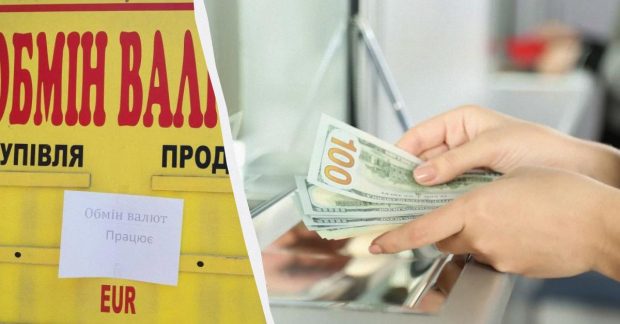
Foreign exchange market at the start of the week: US dollar and euro drop in banks and exchange offices
At the beginning of the week, a decrease in the exchange rates of leading foreign currencies was recorded in Ukraine. The National Bank and commercial institutions demons…
 🚌Transport
Finland eyes Ukrainian experience: Lawmakers propose building border fortifications during peacetime
Finnish MPs are considering the construction of anti-tank barriers and fortifications along the Russian border during peacetime, drawing lessons from the war in Ukraine.
 🛡️Security
Consequences of the attack on Dymer: death toll rises to nine
Rescuers continue to clear rubble in Dymer following a Russian attack, with nine fatalities confirmed. One elderly woman was successfully pulled from the debris.