Technological Dead End: Why Russia Cannot Revive Strategic Aviation Production
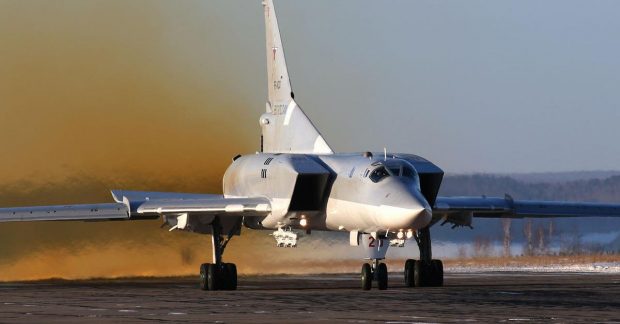
The Russian defense-industrial complex faces critical limitations in restoring strategic bombers, relying solely on Soviet-era reserves.
 🛡️Security
Photo: UNIAN
Key points
- Russia relies solely on Soviet-era reserves for strategic aviation.
- Lack of industrial competencies prevents the manufacturing of new engines and airframes.
- Sanctions and infrastructure damage severely disrupt aircraft maintenance.
Current developments highlight a deep crisis within Russia's military-industrial supply chains, particularly regarding long-range and strategic aviation. According to Anatoliy Khrapchynskyi, a defense enterprise development director and reserve officer of the Ukrainian Air Force, Moscow's attempts to establish mass production of cruise missile carriers face a fundamental obstacle: the loss of technological cycles, specialized metallurgy, and machine tool parks built during the Soviet era.
Engine Deficits and Lost Competencies
A primary bottleneck for Russian aviation is the production of specialized engines, such as the NK-12MP units for Tu-95MS bombers. Recreating these complex components from scratch is beyond the current capabilities of the Russian industrial base. Consequently, the entire fleet of strategic carriers relies entirely on warehouse reserves and cannibalizing older airframes, with intensive combat missions rapidly burning through their remaining flight resource.
"Russians critically need cruise missile carriers and heavy supersonic weapons – they would churn them out in three shifts if they could," the expert noted.
The situation is further aggravated by sanctions restricting access to Western microelectronics and strategic strikes against key repair facilities. As a result, the shrinking fleet of operational aircraft forces the adversary to ration their remaining airframes, gradually limiting their capacity for simultaneous massive missile strikes.
Source UNIAN — unian.ua/weapons/rosiya-maye-obmezheni-mozhlivosti-vidnovlyuvati-st… ↗
Read next
 💼Economy
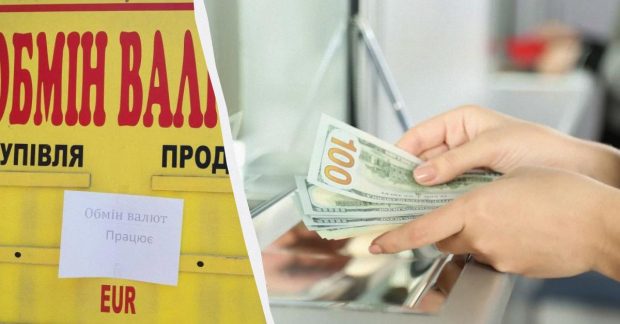
Foreign exchange market at the start of the week: US dollar and euro drop in banks and exchange offices
At the beginning of the week, a decrease in the exchange rates of leading foreign currencies was recorded in Ukraine. The National Bank and commercial institutions demons…
 🚌Transport
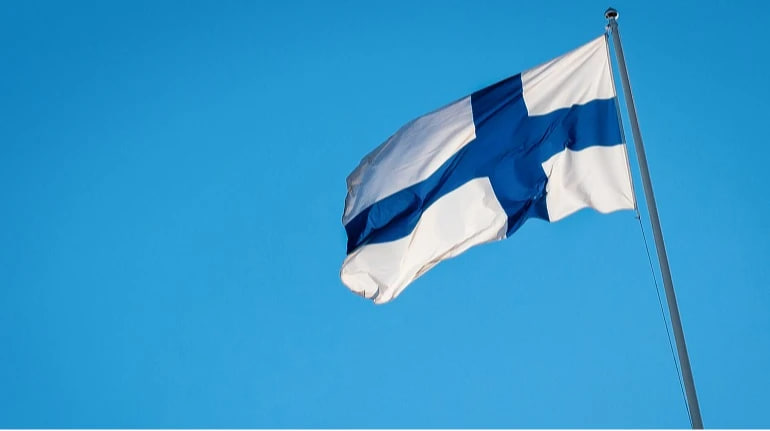
Finland eyes Ukrainian experience: Lawmakers propose building border fortifications during peacetime
Finnish MPs are considering the construction of anti-tank barriers and fortifications along the Russian border during peacetime, drawing lessons from the war in Ukraine.
 🚨Events
Electricity Restored in Rivne Region After Russian Attack
Electricity has been restored in the Sarny district of the Rivne region after a Russian attack on November 20.
 🎭Culture & Sport
Autumn Rose Care: Tips for Gardeners
Experts explain why you should not rush into radical rose pruning before the onset of stable frosts.
 🛡️Security
Russia tests NATO defense algorithms through airspace violations, expert says
Retired Ukrainian Colonel Dmytro Kashchenko stated that Russia uses drone and missile incidents over Poland to test the Alliance's readiness.
 💡Tech
Scientists revive 40,000-year-old bacteria from permafrost: climate implications
Researchers from the University of Colorado have demonstrated that ancient microorganisms can reactivate upon thawing, posing potential risks for greenhouse gas emissions…