The Emergence of an Autocratic Geopolitical Alliance: New Global Security Challenges
The Economist reports on the growing coordination between Russia, China, Iran, and North Korea, posing significant threats to global stability.
 👥Society
Photo: UNIAN
Key points
- Strengthening military and technological cooperation between Russia, China, Iran, and North Korea.
- Over 600 recorded instances of security interaction since 2019.
- Lack of unified command does not prevent countries from effectively bypassing sanctions.
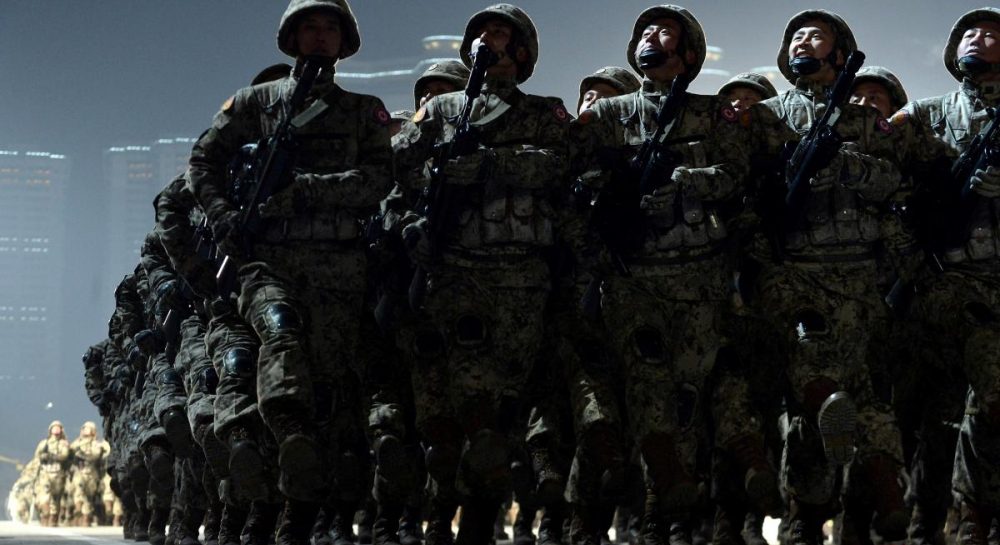
The Economist has published an analytical report detailing the formation of an informal yet highly effective alliance between Russia, China, Iran, and North Korea. Despite the lack of a unified military command, these nations are increasingly synchronizing their actions, sharing technology, intelligence, and military expertise.
Cooperation Mechanisms and Their Impact
Researchers at the FDD think tank have documented over 600 instances of security-related cooperation between these countries over the past five years. This interaction has accelerated significantly since the full-scale invasion of Ukraine. These nations are actively assisting each other in circumventing international sanctions, thereby mitigating economic pressure from the West.
Although this alliance is not ideologically monolithic—China's interest in market stability sometimes conflicts with Russia's push for global instability—their shared goal is to diminish the influence of Western democracies. The absence of a unified containment strategy from Western partners makes this alignment increasingly dangerous to international stability.
Source UNIAN — unian.ua/world/rosiya-knr-iran-ta-pivnichna-koreya-stvorili-neforma… ↗
Read next
 🚨Events
Masterpieces by Picasso, Rodin, and Modigliani in Kyiv: Art Ukraine Gallery Marks 10th Anniversary
Kyiv's Art Ukraine Gallery celebrates its tenth anniversary with a major exhibition featuring world-class art, contemporary Ukrainian masterpieces, and a charitable effor…
 💡Tech
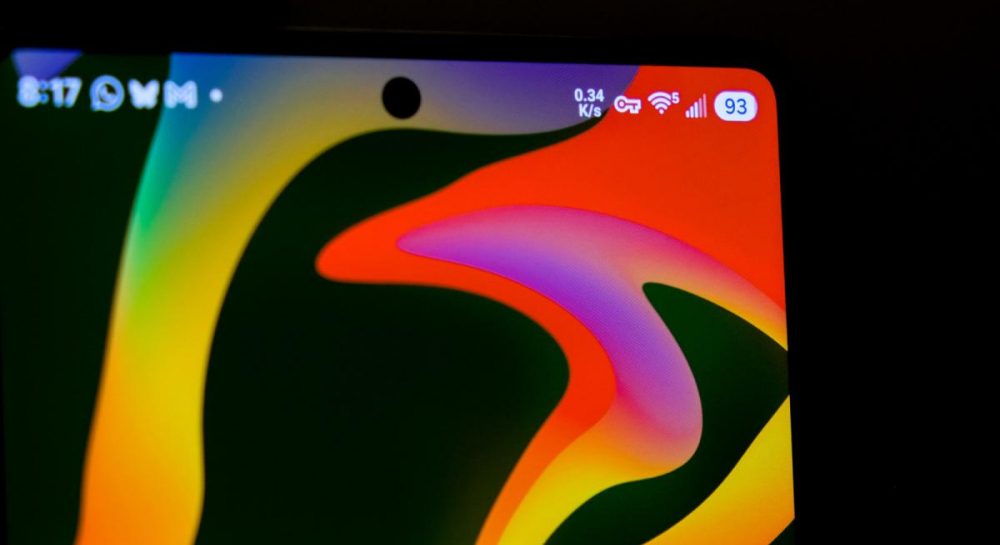
What the key icon on your Android screen means
The key icon appearing in the Android status bar often causes concern, but it is actually a standard indicator of an active VPN connection.
 🇺🇦Ukraine
Hungarian PM opposes linking EU budget to Ukraine funding
Peter Magyar stated that the EU's long-term financial plan should not depend on aid to Ukraine, while promising to maintain humanitarian support.
 💼Economy
Financial Crisis in Agriculture: Ukrainian Farmers Face Threat of Mass Bankruptcies
Due to falling exports, logistical bottlenecks, and funding shortages, Ukraine's agricultural sector faces mounting bankruptcy risks. The situation directly impacts regio…
 🛡️Security
New Nuclear Blackmail: Medvedev Threatens Preemptive Strike
Deputy Chairman of the Russian Security Council Dmitry Medvedev has issued new threats against Ukraine and the West, raising the prospect of a preemptive nuclear strike.
 🇺🇦Ukraine
European Commission favors multilateral format for negotiations with Russia
The European Commission has acknowledged the invitation from Moscow but emphasized the importance of a collective approach to security talks.