Money is there, time is not: what's wrong with European defense and why Ukraine matters
Despite record financial investments, Europe's defense industry is struggling with production bottlenecks and severe delivery delays.
 🇺🇦Ukraine
Photo: Ukrainska Pravda
Key points
- EU defense spending has reached 454 billion euros, yet industrial output remains constrained.
- Major defense contractors face multi-year order backlogs due to capacity limits.
- Air defense and missile stocks are severely strained as supplies are transferred to Ukraine.
- Military leaders emphasize the urgent need to accelerate European defense manufacturing.
Europe is currently attempting to address multiple security challenges simultaneously, ranging from cyber threats to restructuring its defense architecture without relying entirely on the United States. Last year, EU member states spent 418 billion euros on defense, with this year's figures projected to reach 454 billion euros, or 2.4% of GDP. Despite substantial funding initiatives and long-term credit instruments such as SAFE, the industrial sector is failing to keep pace with military demands.
Industrial bottlenecks and air defense shortages
The primary hurdle for Europe is no longer financial, but industrial—stemming from labor shortages, raw material constraints, and a lack of standardized certification. EU countries procure only a fraction of their equipment jointly, favoring national manufacturers instead. Consequently, order backlogs for major defense contractors like Rheinmetall and CSG extend five to nine years into the future. The most acute crisis centers on air defense systems, where existing missile stockpiles are rapidly depleting.
Top military officials across NATO and the EU have openly acknowledged these structural shortcomings. Belgian Defense Chief General Frederik Vansina highlighted the inefficiency of utilizing expensive interceptors against inexpensive drones and pointed out the absence of readily available European ground-based air defense solutions. Within this context, analysts suggest that Europe's current industrial limitations present an opportunity for Ukraine to transition from a recipient of aid into an essential strategic partner.
Source Ukrainska Pravda — pravda.com.ua/columns/2026/11/18/8063428/ ↗
Read next
 🛡️Security
Tragedy in Dymer: Death toll from Russian strike rises to eight
Rescue teams continue clearing rubble in Dymer, Kyiv region, where eight people have been confirmed dead following an enemy attack.
 🏙️City
Clashes at Kyiv Pechersk Lavra: Police Launch Investigation
A conflict erupted at the Kyiv Pechersk Lavra over the use of religious buildings. Law enforcement intervened to restore order and is currently investigating the incident…
 🛡️Security
Another Attack on the Novoshakhtinsk Oil Refinery: Impact on Russian Fuel Logistics
On the night of November 23, the Novoshakhtinsk Oil Refinery in the Rostov region was struck. The facility is a key supplier of fuel for the Russian military.
 🚨Events
Shooting in Kharkiv: man found dead, special police operation launched
A fatal shooting occurred in Kharkiv on the evening of November 22. Law enforcement agencies have initiated a special operation to locate the suspects.
 🛡️Security
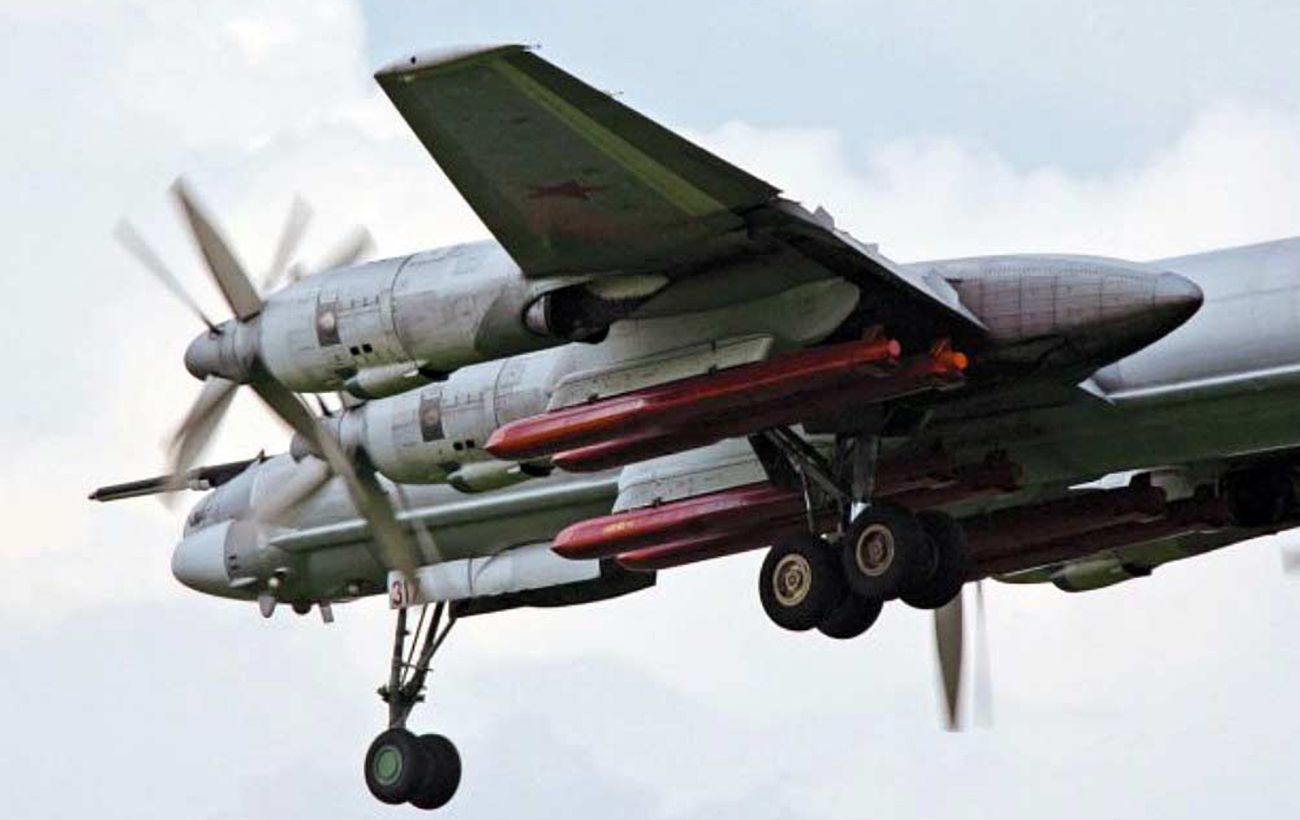
Debris of Russian Kh-101 missiles produced in late 2026 found in Poland
Fragments of Russian cruise missiles, manufactured just weeks ago, have been discovered in eastern Poland.
 🛡️Security
Charity auction in Lviv region raises UAH 60 million to support Ukrainian defenders
A charity event brought together local communities and businesses to fund drone procurement and veteran rehabilitation.