The History of the Calendar: Why January 1st Became the New Year
We explore how the tradition of celebrating New Year's Day on January 1st emerged and the historical reforms that shaped modern timekeeping.
 🚌Transport
Photo: TSN
Key points
- Julius Caesar established January 1st as the start of the year in 46 BC.
- The Gregorian reform of 1582 standardized the calendar for most nations.
- The name January is derived from the Roman god Janus.
From Ancient Civilizations to Modern Systems
The tradition of marking the beginning of the new year on the first day of January is not accidental and has deep roots dating back to Ancient Rome. While various nations around the world spent millennia choosing dates tied to natural cycles, such as the flooding of the Nile or the spring equinox, it was the reforms of Julius Caesar and Pope Gregory XIII that solidified the current calendar format.
The Impact of Reforms on the Modern Calendar
In 46 BC, Julius Caesar introduced the Julian calendar, establishing January 1st as the official start of the year. The name of the month is derived from the god Janus, who symbolized transitions and beginnings. However, the final standardization came with the Gregorian calendar, introduced in 1582, which is now used by most countries worldwide for civil purposes.
Today, New Year's celebrations are accompanied by diverse cultural customs. From the Spanish tradition of eating grapes to the sound of Japanese Buddhist bells, every nation infuses this time with its own symbols of prosperity and renewal, blending ancient beliefs with the modern rhythm of life.
Source TSN — tsn.ua/tsikavinki/koly-sviatkuiut-novyy-rik-chomu-data-prypadaye-na-1-s… ↗
Read next
 🚨Events
Masterpieces by Picasso, Rodin, and Modigliani in Kyiv: Art Ukraine Gallery Marks 10th Anniversary
Kyiv's Art Ukraine Gallery celebrates its tenth anniversary with a major exhibition featuring world-class art, contemporary Ukrainian masterpieces, and a charitable effor…
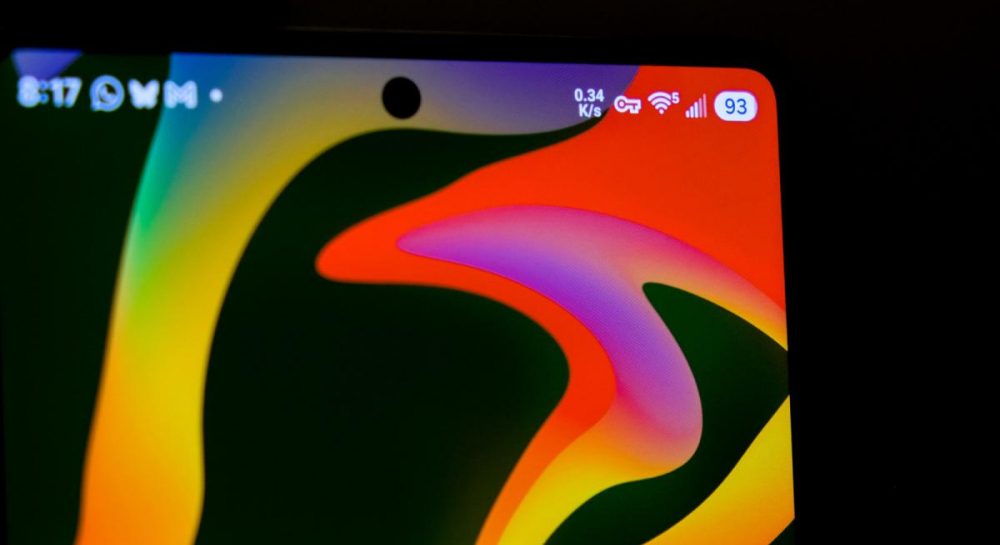 💡Tech
What the key icon on your Android screen means
The key icon appearing in the Android status bar often causes concern, but it is actually a standard indicator of an active VPN connection.
 🇺🇦Ukraine
Hungarian PM opposes linking EU budget to Ukraine funding
Peter Magyar stated that the EU's long-term financial plan should not depend on aid to Ukraine, while promising to maintain humanitarian support.
 💼Economy
Financial Crisis in Agriculture: Ukrainian Farmers Face Threat of Mass Bankruptcies
Due to falling exports, logistical bottlenecks, and funding shortages, Ukraine's agricultural sector faces mounting bankruptcy risks. The situation directly impacts regio…
 🛡️Security
New Nuclear Blackmail: Medvedev Threatens Preemptive Strike
Deputy Chairman of the Russian Security Council Dmitry Medvedev has issued new threats against Ukraine and the West, raising the prospect of a preemptive nuclear strike.
 🇺🇦Ukraine
European Commission favors multilateral format for negotiations with Russia
The European Commission has acknowledged the invitation from Moscow but emphasized the importance of a collective approach to security talks.