Fusion Energy in Orbit: New Perspectives for Space Missions
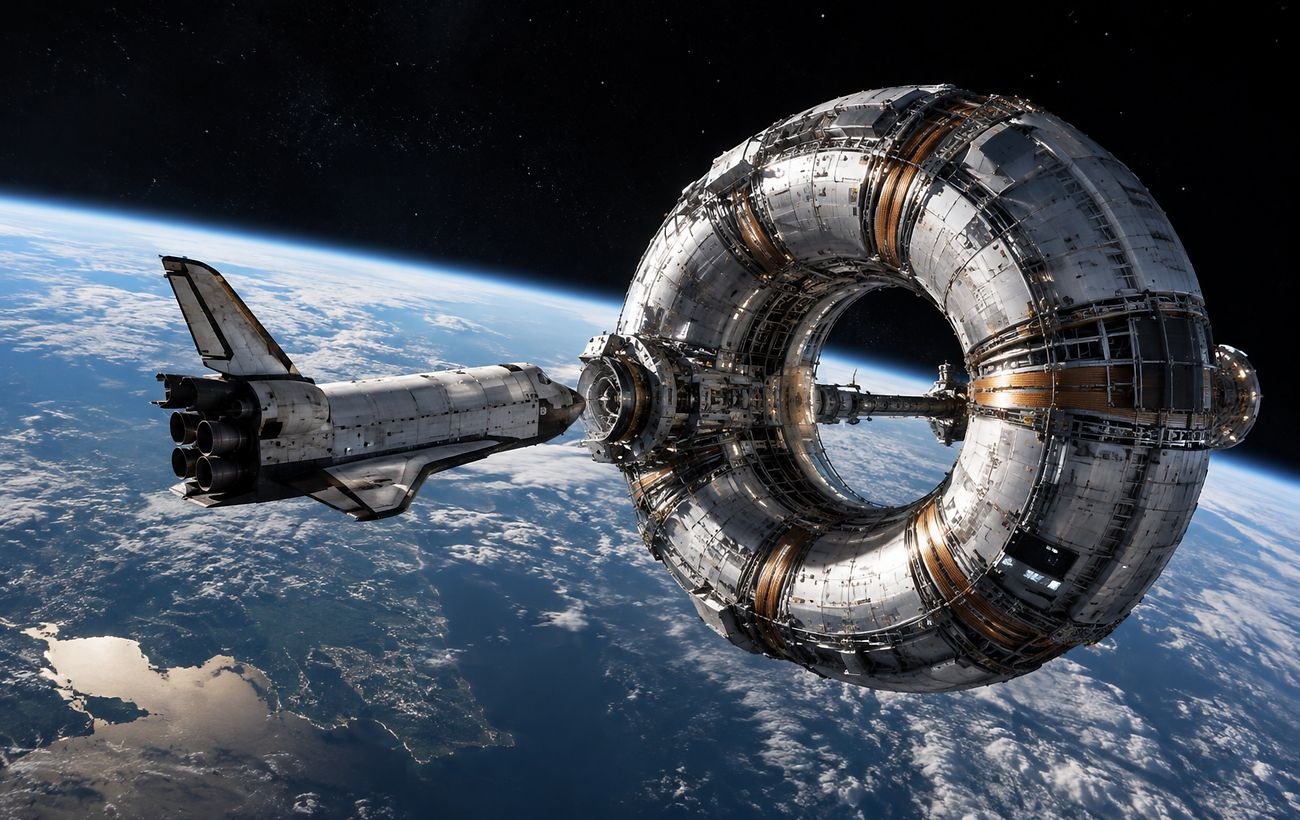
Scientists are exploring the feasibility of placing fusion reactors in space to power future settlements and industrial facilities.
 💡Tech
Photo: RBC-Ukraine
Key points
- Deployment of tokamaks in geostationary orbit
- Microgravity benefits for fusion systems
- Alternative to fission reactors for lunar missions
The Future of Energy Beyond Earth
Researchers are investigating the concept of deploying fusion reactors into Earth's orbit, a move that could be pivotal for deep space exploration. According to a study published in ResearchGate, scientists are considering the use of tokamaks—doughnut-shaped reactors—to generate clean energy in microgravity environments.
Physicist Yang Bae from the Spacefaring Research Institute highlights that the space environment offers significant advantages for these complex systems. Specifically, the absence of atmospheric pressure allows for lighter vacuum chambers, while the vacuum of space simplifies heat dissipation through specialized radiator panels.
Advantages Over Traditional Sources
- High Output: A 1-gigawatt installation could potentially power one million homes.
- Consistency: Unlike solar arrays, fusion provides stable power regardless of the distance from the Sun.
- Safety: Fusion is considered a safer alternative to the fission reactors currently planned for lunar bases.
While these projects remain theoretical, they outline a roadmap for powering future orbital data centers and deep-space outposts. In addition to tokamaks, the research explores using high-powered lasers to trigger fusion reactions directly in space.
Source RBC-Ukraine — rbc.ua/ukr/news/termoyaderni-reaktori-hochut-vidpraviti-kosmos-1795… ↗
Read next
 🛡️Security
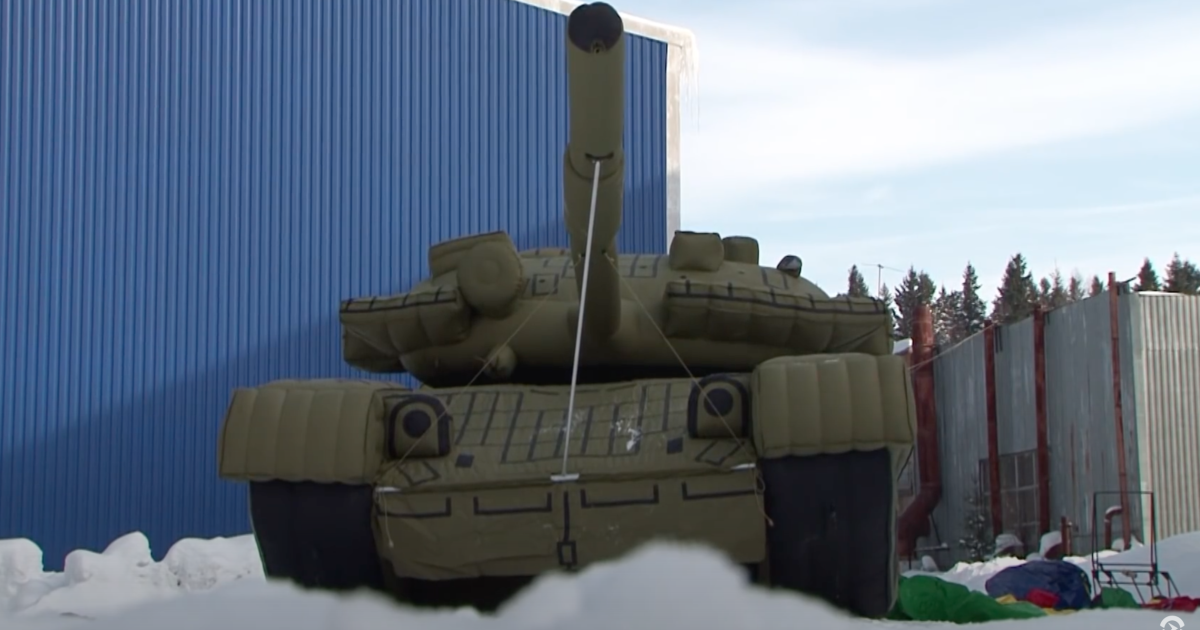
Russia purchases Chinese inflatable military decoys to counter Ukrainian drones
The Russian Federation is mass-ordering realistic inflatable military equipment from China to distract Ukrainian drones from real targets.
 🛡️Security
Ukraine and Norway to Scale Up Production of DESNA Air Defense Systems
Ukraine and Norway are increasing the production of DESNA air defense launchers to counter drone threats.
 🇺🇦Ukraine
Estonia warns against attacks on tankers in the Baltic Sea due to environmental risks
Estonian Prime Minister Kristen Michal stated that the country will not allow its territory to be used for attacks on vessels, citing the threat of environmental disaster…
 🏙️City
Reconstruction of Enerhetykiv Street in Bucha: Mayor comments on construction delays
Bucha Mayor Anatoliy Fedoruk announced the acceleration of works on Enerhetykiv Street following a compromise with the contractor.
 🚨Events
Court upholds detention of woman posing as medic during military facility blockade
The Kyiv Court of Appeal has upheld the pretrial detention of a woman accused of orchestrating provocations at a National Guard unit.
 🛡️Security
Putin threatens 'inevitable response' to attacks on Russian oil refineries
Vladimir Putin has threatened retaliation for strikes on Russian oil refineries, despite calls from Donald Trump to refrain from such actions.