Microplastics in Water: New Findings on Chemical Hazards to Cells
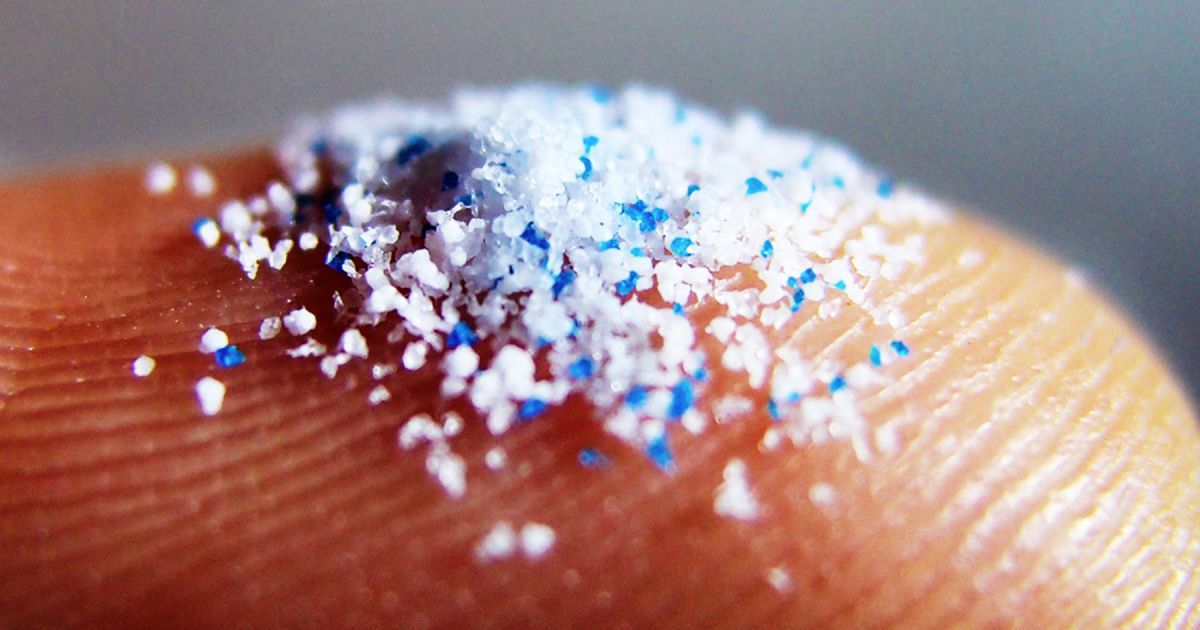
Scientists have discovered that microplastics in water can trigger chemical reactions capable of damaging biological structures and cells.
 🩺Health
Photo: TSN
Key points
- Microplastics trigger the formation of reactive oxygen species in water.
- Cell damage has been confirmed through laboratory tests on erythrocytes.
- Polyethylene and polypropylene were found to be the most chemically active.
- Heating plastic in a microwave accelerates the release of hazardous particles.
An invisible threat in the aquatic environment
Researchers from Columbia University and the University of California, Berkeley, have released findings on microplastics that shift the understanding of their environmental impact. It turns out that plastic particles are not merely passive pollutants but are capable of active chemical interaction with water.
Scientists determined that reactive oxygen species (ROS) form on the surface of plastic when it comes into contact with water. These compounds, particularly hydroxyl radicals, have the potential to damage DNA, proteins, and cellular structures. Laboratory experiments using mouse erythrocytes demonstrated that such exposure can lead to cell destruction.
Which plastic types are most dangerous?
The study examined six common types of materials, including polyethylene, polypropylene, and PET. Polyethylene and polypropylene showed the highest chemical activity, while PET and acrylic were found to be less reactive. Experts emphasize that the risk increases as plastic breaks down into smaller fragments, as the increased surface area facilitates more intense chemical reactions.
Daily habits, such as heating food in plastic containers or leaving water bottles in direct sunlight for long periods, can accelerate the degradation of materials into microparticles. This creates additional sources of pollution that end up in wastewater and the surrounding environment.
Source TSN — tsn.ua/zdorovya/mikroplastyk-vyiavyvsia-nebezpechnishym-niz-vvazaly-shc… ↗
Read next
 💡Tech
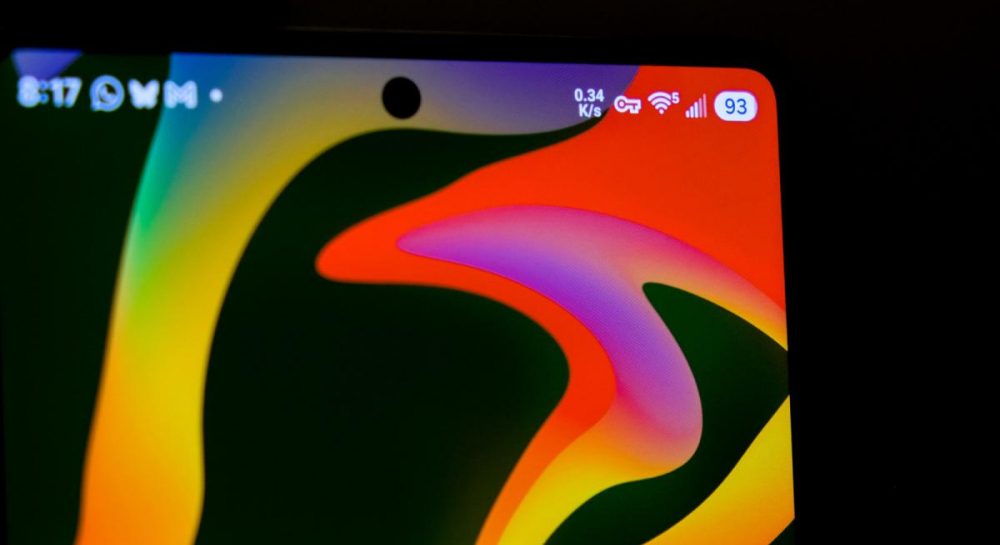
What the key icon on your Android screen means
The key icon appearing in the Android status bar often causes concern, but it is actually a standard indicator of an active VPN connection.
 🇺🇦Ukraine
Hungarian PM opposes linking EU budget to Ukraine funding
Peter Magyar stated that the EU's long-term financial plan should not depend on aid to Ukraine, while promising to maintain humanitarian support.
 💼Economy
Financial Crisis in Agriculture: Ukrainian Farmers Face Threat of Mass Bankruptcies
Due to falling exports, logistical bottlenecks, and funding shortages, Ukraine's agricultural sector faces mounting bankruptcy risks. The situation directly impacts regio…
 🛡️Security
New Nuclear Blackmail: Medvedev Threatens Preemptive Strike
Deputy Chairman of the Russian Security Council Dmitry Medvedev has issued new threats against Ukraine and the West, raising the prospect of a preemptive nuclear strike.
 🇺🇦Ukraine
European Commission favors multilateral format for negotiations with Russia
The European Commission has acknowledged the invitation from Moscow but emphasized the importance of a collective approach to security talks.
 🏛️Politics
SAP Prosecutor Praises NABU Media Team Amid Criticism Over Investigation Quality
SAP Prosecutor Rostyslav Batih highlighted the professionalism of NABU's video editors instead of addressing concerns about weak evidence in high-profile cases.