Poultry Efficiency: How Genetics and Care Influence Egg Production
Experts have analyzed the key factors affecting hen productivity, ranging from breed selection to dietary needs and housing conditions.
 💼Economy
Photo: UNIAN
Key points
- Average production is 216 eggs per year
- Genetics determine shell color
- Diets must include balanced proteins and minerals
- Stress negatively impacts productivity
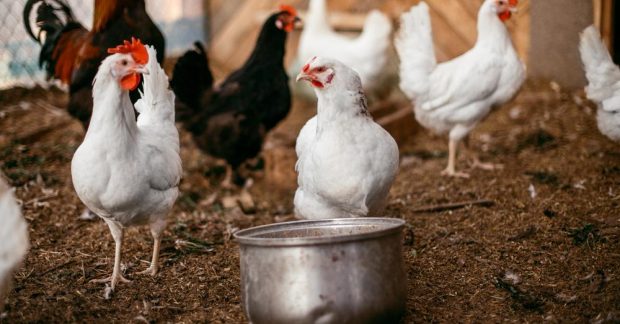
The issue of poultry productivity remains relevant for many residents of the Vasylkiv private sector engaged in small-scale farming. According to Animal Gourmet, the average annual egg production per hen is approximately 216 eggs, though these figures can vary significantly depending on the genetic traits of the specific breed.
Productivity Factors and Biology
Most breeds begin laying eggs at four months of age, although this process can take up to a year. The productive period lasts until about six years of age, after which output drops to one or two eggs per week. Interestingly, the color of the shell—whether white, brown, or blue—is purely a genetic trait rather than a result of external environmental factors.
The color of the eggshell depends exclusively on the genetics and breed of the chicken.
To maintain high productivity, experts emphasize the importance of a balanced diet. Because avian digestive systems process food rapidly, the diet must be based on grains, protein sources, and mineral supplements, particularly calcium and phosphorus for shell strength. Constant access to fresh water and the minimization of stress factors within the coop are also critical for health and production.
Source UNIAN — unian.ua/curiosities/kuri-nesuchki-yaki-porodi-dayut-naybilshe-yaye… ↗
Read next
 🛡️Security
Consequences of the attack on Dymer: death toll rises to nine
Rescuers continue to clear rubble in Dymer following a Russian attack, with nine fatalities confirmed. One elderly woman was successfully pulled from the debris.
 🚨Events
Electricity Restored in Rivne Region After Russian Attack
Electricity has been restored in the Sarny district of the Rivne region after a Russian attack on November 20.
 🎭Culture & Sport
Autumn Rose Care: Tips for Gardeners
Experts explain why you should not rush into radical rose pruning before the onset of stable frosts.
 🛡️Security
Estonia affirms Ukraine's right to self-defense following incident in the Gulf of Finland
Estonian Foreign Minister Margus Tsahkna stated that the strike on a Russian vessel is a consequence of Russian aggression, emphasizing the legitimacy of Ukraine's action…
 🛡️Security
Rescue operation in Dymer: 89-year-old woman pulled from rubble
Rescue efforts continue in the village of Dymer, Kyiv region, following a Russian drone strike. The death toll has risen to nine.
 🛡️Security
Russian corvette 'Merkury' in Libya: possible Ukrainian drone attack
An explosion occurred on a Russian warship in the Libyan port of Benghazi. Media reports suggest that Ukrainian maritime drones may be responsible for the incident.